
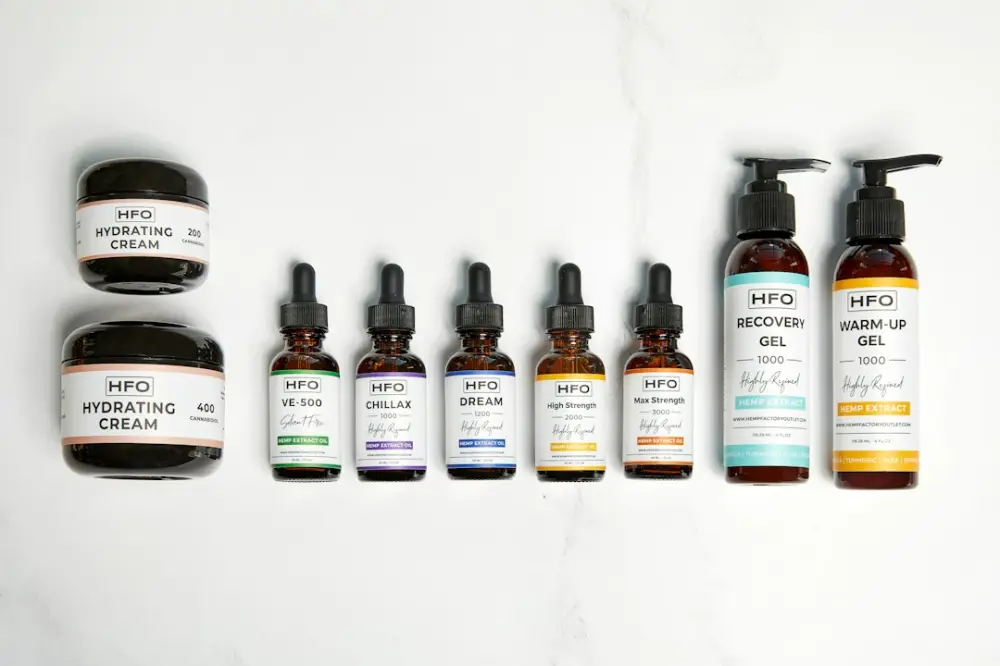
Understanding hemp product labels involves identifying the mandatory information panel that details a product's contents, potency, and safety. This includes total CBD and THC levels, ingredient lists, manufacturer details, and a QR code linking to a Certificate of Analysis (COA) to verify third-party lab results and purity for every batch produced.
Navigating these labels is the first step for anyone who wants to choose high-quality CBD products: what to check for goes beyond the marketing claims on the front of the box. Precise literacy ensures you are purchasing a therapeutic extract rather than a simple culinary hemp seed oil, which lacks cannabinoids.
When you pick up a bottle of hemp oil or a tin of gummies, the label should immediately communicate the net weight and the brand’s contact information. However, the most critical element is the specific identity of the hemp source. For example, a label might list "Hemp Extract (Aerial Parts)" to indicate that the CBD was derived from the flowers and leaves of the plant, where cannabinoids are most concentrated. If a label only lists "Hemp Seed Oil," it is likely a carrier oil without significant CBD content, often used for cooking or skin hydration rather than wellness support.
Decoding Cannabinoid Potency and Percentages
Potency is often the most confusing part of a hemp label because numbers are presented in two ways: total milligrams per container and milligrams per serving. A 30ml tincture bottle might display "1,500mg" in large font, but the practical information is the concentration per dropper, which would be 50mg if the bottle contains 30 servings. Clear labels will break this down explicitly to help you manage your daily intake.
You must also distinguish between full-spectrum vs broad-spectrum cbd: what’s the difference in terms of THC content. A full-spectrum product contains the legal limit of up to 0.3% THC, which many users prefer for the "entourage effect." In contrast, a broad-spectrum label should indicate "0.0% THC," meaning the psychoactive compound has been filtered out while leaving other beneficial cannabinoids intact. For instance, a gummy labeled as "Broad Spectrum" is a common choice for those who undergo regular workplace drug testing but still want the benefits of minor cannabinoids like CBG or CBN.
Identifying Terpenes and Cultivars
High-quality hemp products often list a terpene profile, which provides insight into the product's likely effects. Terpenes are aromatic compounds found in many plants, and in hemp, they work alongside cannabinoids to influence the experience. A label for a "Nighttime" formula might highlight Myrcene or Linalool, terpenes known for their calming properties. Conversely, a "Focus" blend might list Alpha-Pinene or Limonene to suggest a more uplifting effect.
Some brands go a step further by naming the specific cultivar (strain) used in the extraction, such as "Lifter" or "Sour Space Candy." This level of detail is a hallmark of transparency. If you see a label that simply says "Natural Flavors" without any mention of plant-derived terpenes, the product may be using synthetic additives to mimic the scent of hemp rather than relying on the plant’s natural chemistry. Look for labels that specify the extraction method as well, such as CO2 extraction, which is the industry standard for maintaining a clean and potent terpene profile.
Verifying Quality via QR Codes
The presence of a QR code is perhaps the most important safety feature on a modern hemp label. This code should link directly to a third-party lab report, known as a Certificate of Analysis (COA). If a product lacks a QR code or a batch number, it is impossible to verify if the contents match the label claims. To verify a product's quality, follow these steps:
- Locate the QR code or batch number on the bottom or side of the packaging.
- Scan the code with your smartphone or enter the batch number on the manufacturer’s website.
- Review the "Cannabinoid Profile" to ensure the CBD levels match the label.
- Check the "Heavy Metals" and "Pesticides" sections; these should always return a result of "ND" (Non-Detectable) or "Pass."
- Look for the date of the test to ensure the results are recent and correspond to the current year, 2026.
For example, if you scan a batch of softgels and the COA shows a high level of residual solvents like ethanol or butane, that product should be avoided. A transparent brand makes this data easily accessible before you even open the seal.
Legal Warnings and Safety Disclaimers
Hemp products are subject to specific labeling requirements enforced by various regulatory bodies. Every legitimate label will include a standard FDA disclaimer stating that the product has not been evaluated by the Food and Drug Administration and is not intended to diagnose, treat, cure, or prevent any disease. While this may seem like boilerplate text, its absence is a red flag that the company is not following basic compliance standards.
Furthermore, look for age restrictions (usually 18+ or 21+) and pregnancy warnings. Some states have specific requirements, such as California’s Prop 65 warning, which may appear if the product contains trace amounts of certain chemicals. A responsible manufacturer will also include a "Suggested Use" section. For instance, a topical cream label might instruct you to "Apply to affected area no more than 3-4 times daily." These instructions are vital for safety and ensuring you get the intended value from the product. According to the FDA, clear labeling is the primary way consumers can avoid contaminated or mislabeled products in an unregulated market.
Smart Tips for High-Quality Hemp
When shopping, focus on the ingredient list rather than the flashy graphics on the front of the box. High-quality hemp products usually have short, recognizable ingredient lists. If you see a long list of artificial dyes, corn syrup, or preservatives, the product is likely a mass-produced gummy with lower-tier hemp extract. Instead, look for natural binders like pectin and organic sweeteners.
Another practical tip is to check for the "U.S. Grown Hemp" seal or a similar designation. Hemp is a bioaccumulator, meaning it absorbs everything from the soil it grows in. Domestic hemp is generally subject to stricter agricultural oversight than imported hemp, reducing the risk of soil contaminants. At Green Swallow CBD, we emphasize that label literacy is the bridge between a generic supplement and a targeted wellness tool. By mastering these label elements, you can confidently integrate hemp into your routine, whether you are pairing a full-spectrum oil with your morning coffee or using a terpene-rich balm after a workout. Understanding the label ensures that Green Swallow CBD readers can always distinguish between a marketing claim and a verified, safe product.