
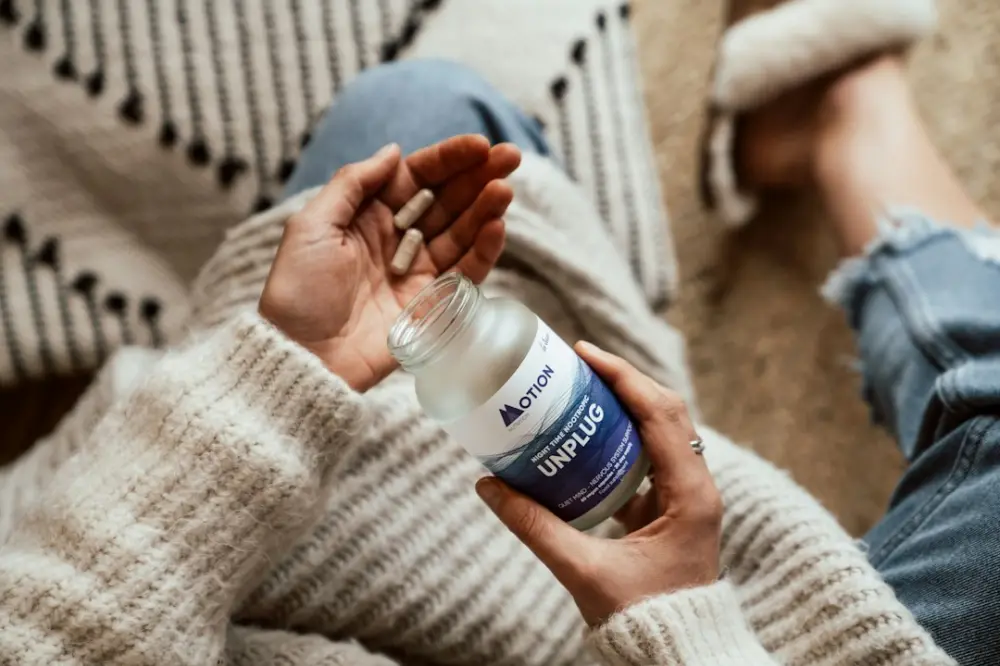
Assessing uncertainty in supplement information involves evaluating the reliability of health claims by analyzing the gap between marketing promises and scientific reality. This process requires scrutinizing ingredient bioavailability, extraction quality, and the strength of clinical evidence. By identifying these variables, consumers can determine the actual risk and efficacy of products like broad-spectrum hemp or various botanical extracts.
While a label might list a specific milligram count, factors like bioavailability and extraction methods often dictate the actual physiological outcome. This creates a tension between the theoretical benefits of an ingredient and the practical performance of a finished product. Navigating this discrepancy is essential for verifying whether a supplement can truly deliver its intended wellness results.
Defining Uncertainty in Supplement Data
Uncertainty in the supplement industry often stems from the gap between raw botanical potential and the final product's performance in the human body. When a manufacturer claims a product supports a specific function, that claim is often based on the theoretical benefits of an ingredient rather than a clinical trial of the finished formulation. This creates a "data shadow" where the consumer is unsure if the concentration of active compounds is sufficient to produce a result.
For example, a product containing Cannabidiol (CBD) may be marketed for its calming properties, but if the bioavailability—the rate at which the substance enters the bloodstream—is low due to poor formulation, the uncertainty of its effectiveness increases. Factors such as extraction methods (CO2 vs. ethanol) and the presence of carrier oils like MCT or hemp seed oil significantly alter how the body processes these compounds. Understanding these variables is the first step in reducing the risk of purchasing ineffective products.
Evaluating Evidence and Research Quality
Not all scientific studies carry the same weight. When assessing uncertainty, it is vital to categorize the evidence supporting a supplement’s claims. The hierarchy of evidence usually begins with in vitro (test tube) or animal studies, which provide a foundational understanding but do not guarantee human efficacy. The gold standard remains the double-blind, placebo-controlled human clinical trial.
Consider the use of adaptogens. A study might show that a specific terpene reduces stress markers in rodents, but the dosage used could be the equivalent of a human consuming five bottles of a supplement daily. To reduce uncertainty, look for studies that use human subjects and dosages that align with the product's serving size. When you choose high-quality CBD products: what to look for includes whether the brand cites specific studies on their actual formulation rather than generic ingredient data.
Identifying Inaccuracies in Product Labeling
Labeling discrepancies are a primary source of uncertainty. In the hemp industry, products are frequently found to contain significantly more or less of the active ingredient than stated. Furthermore, the absence of a comprehensive Certificate of Analysis (COA) from a third-party laboratory creates a vacuum of information regarding potential contaminants.
A reliable label should provide more than just the milligram count of the primary ingredient. It should specify:
- The exact breakdown of cannabinoids (CBD, CBG, CBN).
- The presence of heavy metals such as lead, arsenic, and cadmium.
- Residual solvent levels from the extraction process.
- Pesticide and mycotoxin screenings.
If a product label uses vague terms like "proprietary hemp blend" without listing the specific weights of each component, the uncertainty regarding its potency is high. Transparency in labeling is the only way to ensure that the user is receiving the intended dose without unwanted additives.
Reliable Databases for Ingredient Verification
To move past marketing narratives, consumers should utilize established scientific databases. These platforms provide objective summaries of known research, side effects, and drug interactions. Relying on these sources helps mitigate the risk of falling for "miracle cure" rhetoric often found in sponsored content.
Key databases for 2026 include:
- PubMed: The primary resource for accessing peer-reviewed biomedical literature. Searching for a specific extract alongside terms like "pharmacokinetics" can reveal how long a substance stays in the system.
- NIH Office of Dietary Supplements (ODS): Provides fact sheets that summarize the current state of science for common vitamins and herbal extracts.
- Examine.com: An independent organization that aggregates human clinical trials to determine the effect size of various supplements.
- The Cochrane Library: Known for high-quality systematic reviews that look at the totality of evidence for a specific health intervention.
Using New Hope Network for Industry News
For those looking to stay ahead of market trends and regulatory shifts, the New Hope Network serves as a critical resource. Unlike consumer-facing magazines, this platform focuses on the business and regulatory side of the natural products industry. It tracks FDA warning letters, supply chain innovations, and emerging safety data that might not reach the general public for months.
By monitoring industry news, a consumer can identify which companies are facing scrutiny for manufacturing practices or unsubstaged claims. For instance, if the New Hope Network reports on a widespread issue with a specific raw material supplier, savvy consumers can check their own supplement cabinets to see if their products are sourced from that vendor. This proactive approach to information gathering significantly reduces the uncertainty inherent in a rapidly evolving market.
Spotting Misinformation on Social Media
Social media platforms are often the primary source of supplement information for many, yet they are also the largest drivers of uncertainty. Influencer-driven content frequently prioritizes engagement over accuracy, often omitting potential side effects or the lack of long-term data. To vet a claim made on social media, follow this systematic process:
- Identify the primary claim: Does the post suggest the supplement "cures," "treats," or "prevents" a disease? These are regulated terms that usually require FDA approval.
- Check for a COA: Does the brand mentioned provide a batch-specific lab report accessible to the public?
- Verify the source: Is the person making the claim a qualified health professional, or are they an affiliate marketer earning a commission?
- Cross-reference on PubMed: Take the active ingredient and search for recent human trials to see if the claimed benefit is supported by data.
- Look for "red flag" language: Be wary of terms like "secret discovery," "toxin flush," or "instant results."
Green Swallow’s Approach to CBD Transparency
At Green Swallow CBD, the focus is on dismantling the ambiguity that often surrounds hemp-derived products. Assessing uncertainty is not just a theoretical exercise; it is a practical necessity for anyone looking to integrate wellness products into a daily routine. We prioritize literacy by explaining the nuances between full-spectrum, broad-spectrum, and isolate products, ensuring that users understand exactly what they are putting into their bodies.
This commitment to clarity extends to understanding what adaptogenic support means for central nervous system resilience. By combining CBD with well-researched adaptogens, the goal is to create a predictable, balanced response to the stressors of 2026. Green Swallow CBD advocates for a "data-first" mindset, encouraging consumers to demand rigorous testing and clear evidence before trusting any wellness claim. Through this lens of critical evaluation, the uncertainty of the supplement market becomes a manageable variable rather than a barrier to health.